
Memilih emulsi akrilik yang tepat untuk aplikasi pelapisan merupakan keputusan penting yang secara langsung memengaruhi kinerja produk akhir. Meskipun kimia dasarnya tetap konsisten, persyaratan kinerja untuk substrat kertas dibandingkan dengan substrat tekstil pada dasarnya berbeda. Memahami perbedaan ini sangat penting bagi para perumus yang ingin mengoptimalkan sistem pelapisan mereka.
Apa itu Emulsi Akrilik?
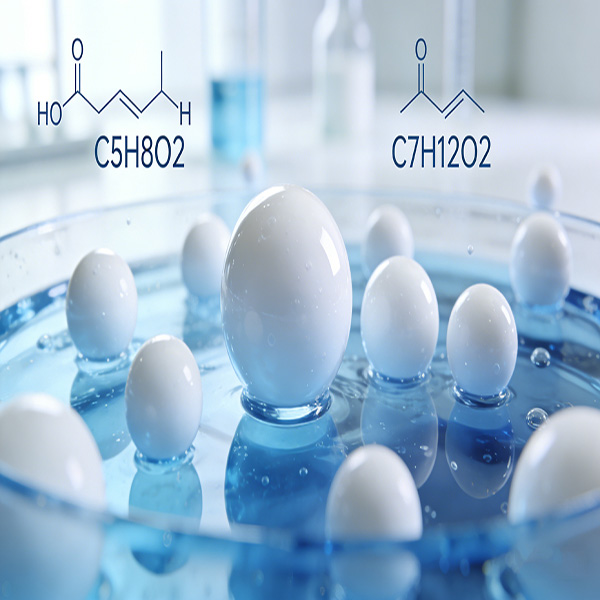
An emulsi akrilik adalah dispersi koloid partikel polimer akrilik dalam medium berair. Disintesis melalui polimerisasi emulsi, produk ini biasanya berupa kopolimer yang berasal dari berbagai ester akrilik—seperti metil akrilat, etil akrilat, butil akrilat, dan metil metakrilat—bersama dengan monomer fungsional seperti asam akrilik atau asam metakrilat. Proses ini menghasilkan cairan stabil dengan viskositas rendah dan polimer berbobot molekul tinggi yang tersuspensi dalam air.
Keindahan arsitektur kimia emulsi akrilik terletak pada kemampuannya untuk disesuaikan. Dengan memanipulasi komposisi dan rasio monomer, para perumus dapat merekayasa polimer dengan suhu transisi kaca (Tg) spesifik, karakteristik pembentukan film, dan sifat mekanik. Emulsi akrilik modern juga dapat menggabungkan mekanisme pengikatan silang sendiri atau dirancang dengan ukuran partikel spesifik untuk mengoptimalkan kinerja pada substrat tertentu, baik itu serat kertas selulosa atau benang tekstil sintetis.
Persyaratan Penting untuk Aplikasi Pelapisan Kertas
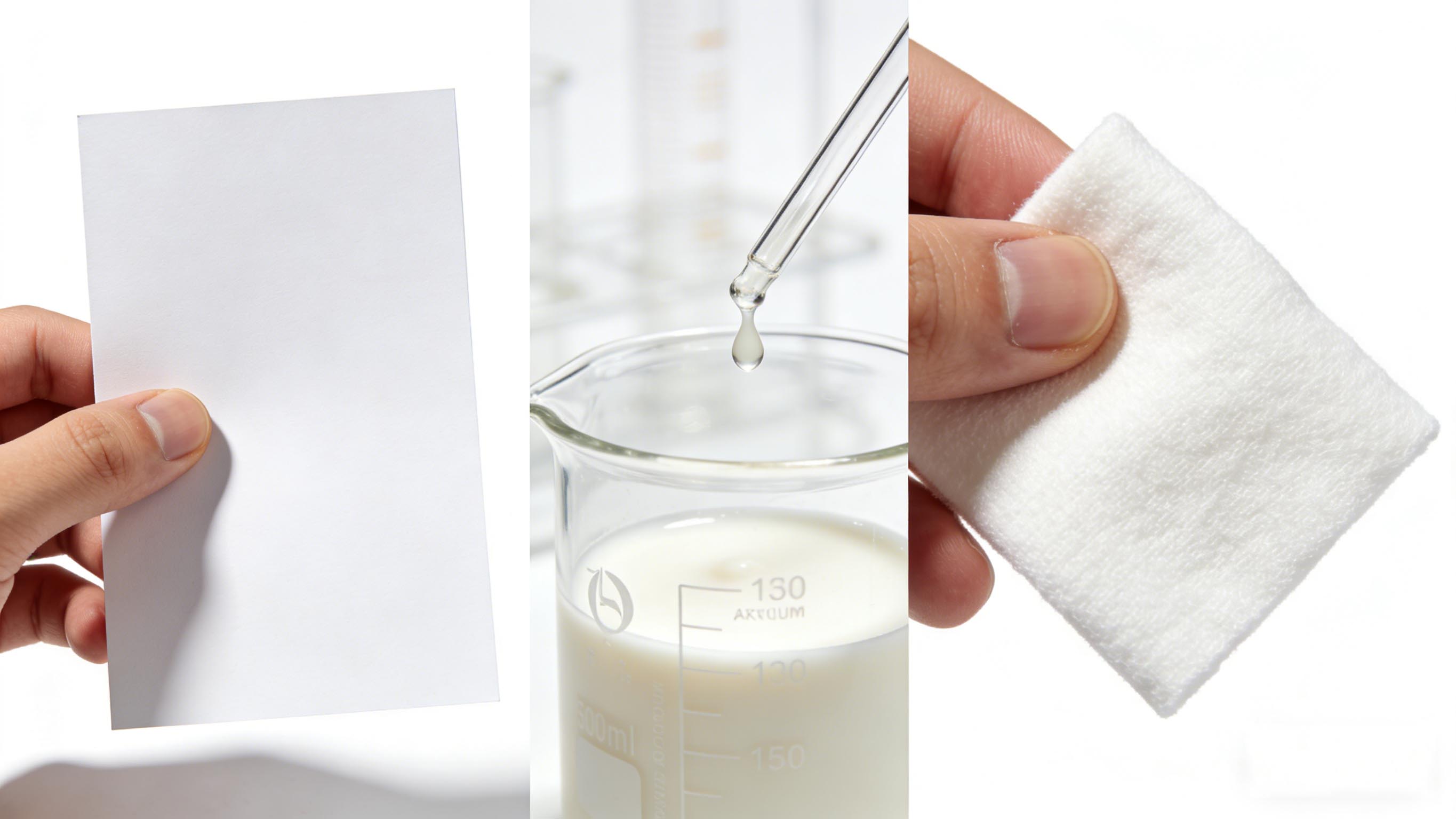
Pelapisan kertas membutuhkan emulsi yang mengubah permukaan kertas yang menyerap dan hidrofilik menjadi substrat yang dapat dicetak, menarik secara visual, dan memberikan perlindungan fungsional.
Ketahanan terhadap air merupakan kriteria kinerja utama untuk lapisan kertasKetika emulsi akrilik diaplikasikan pada kertas, emulsi tersebut harus membentuk lapisan kontinu yang mencegah penetrasi air ke dalam matriks serat. Kemajuan terbaru dalam desain polimer telah menunjukkan bahwa penggabungan monomer hidrofobik dan pengoptimalan kepadatan ikatan silang dapat secara dramatis mengurangi penyerapan air. Untuk aplikasi kemasan makanan, sifat penghalang ini harus mencakup ketahanan terhadap lemak dan minyak, melindungi integritas kemasan dan produk yang ada di dalamnya.
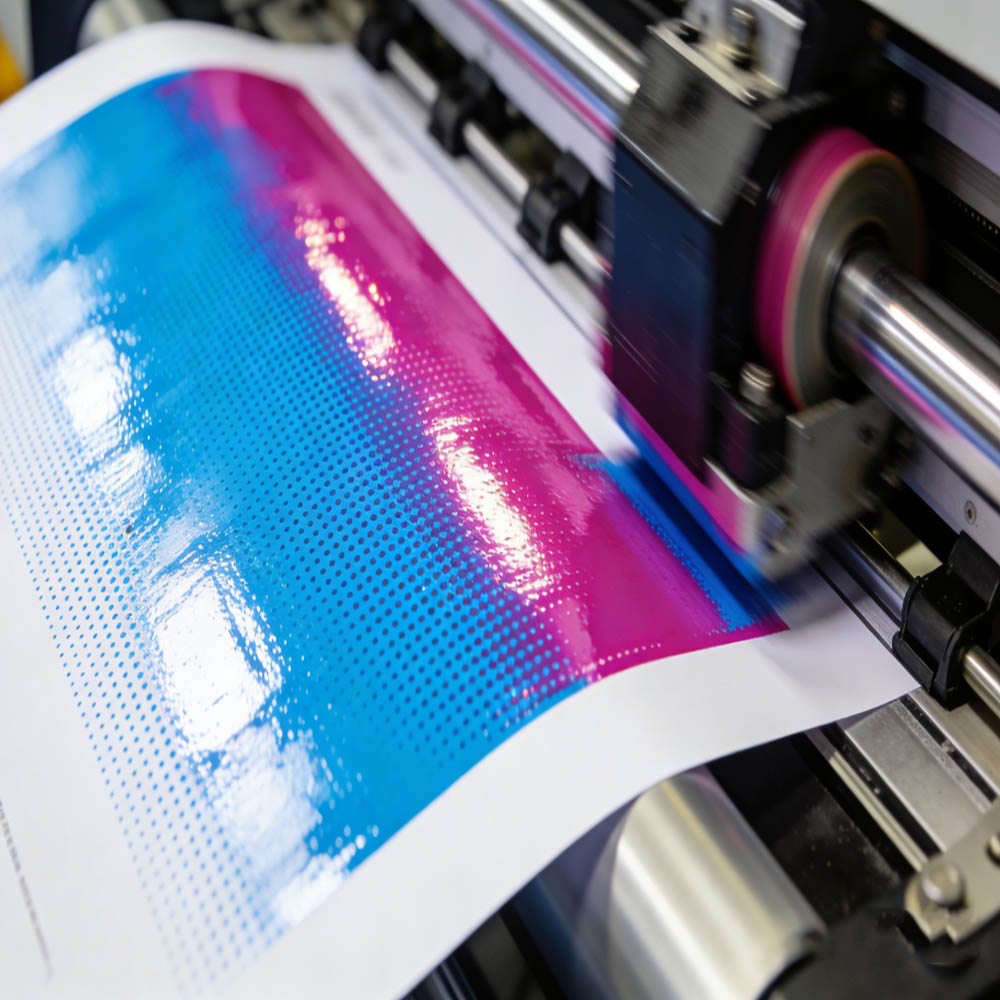
Kemampuan cetak merupakan persyaratan penting kedua. Lapisan harus memberikan permukaan yang halus dan seragam dengan daya serap dan daya tahan tinta yang terkontrol. Emulsi akrilik dengan kapasitas pengikatan pigmen yang sesuai memastikan bahwa pigmen lapisan tetap terikat dengan aman selama proses pencetakan, mencegah debu dan meningkatkan definisi cetak. Perilaku reologi emulsi memengaruhi bagaimana warna lapisan mengalir dan merata selama aplikasi, yang secara langsung berdampak pada kilap dan keseragaman akhir.
Untuk aplikasi kertas, substrat yang dilapisi biasanya tetap dalam konfigurasi planar, yang berarti persyaratan fleksibilitasnya moderat. Tuntutan mekanis utama meliputi ketahanan terhadap lipatan dan kerutan tanpa menyebabkan retak pada lapisan, terutama untuk bahan kemasan yang menjalani proses konversi.
Persyaratan Esensial untuk Aplikasi Pelapisan Tekstil
Pelapis tekstil beroperasi dalam lingkungan mekanis yang sama sekali berbeda. Substratnya fleksibel, mudah dibentuk, dan mengalami deformasi berulang selama penggunaan dan perawatan.
Fleksibilitas dan kelembutan sentuhan mendominasi persyaratan untuk aplikasi tekstil. Tidak seperti lapisan kertas yang dapat tetap agak kaku, lapisan tekstil harus bergerak mengikuti kain. Hal ini menuntut emulsi akrilik dengan suhu transisi kaca rendah, biasanya di bawah 0°C, untuk memastikan lapisan polimer tetap fleksibel pada kondisi lingkungan sekitar. Lapisan tersebut tidak boleh memberikan sentuhan kaku dan keras yang mengganggu kelenturan alami kain.
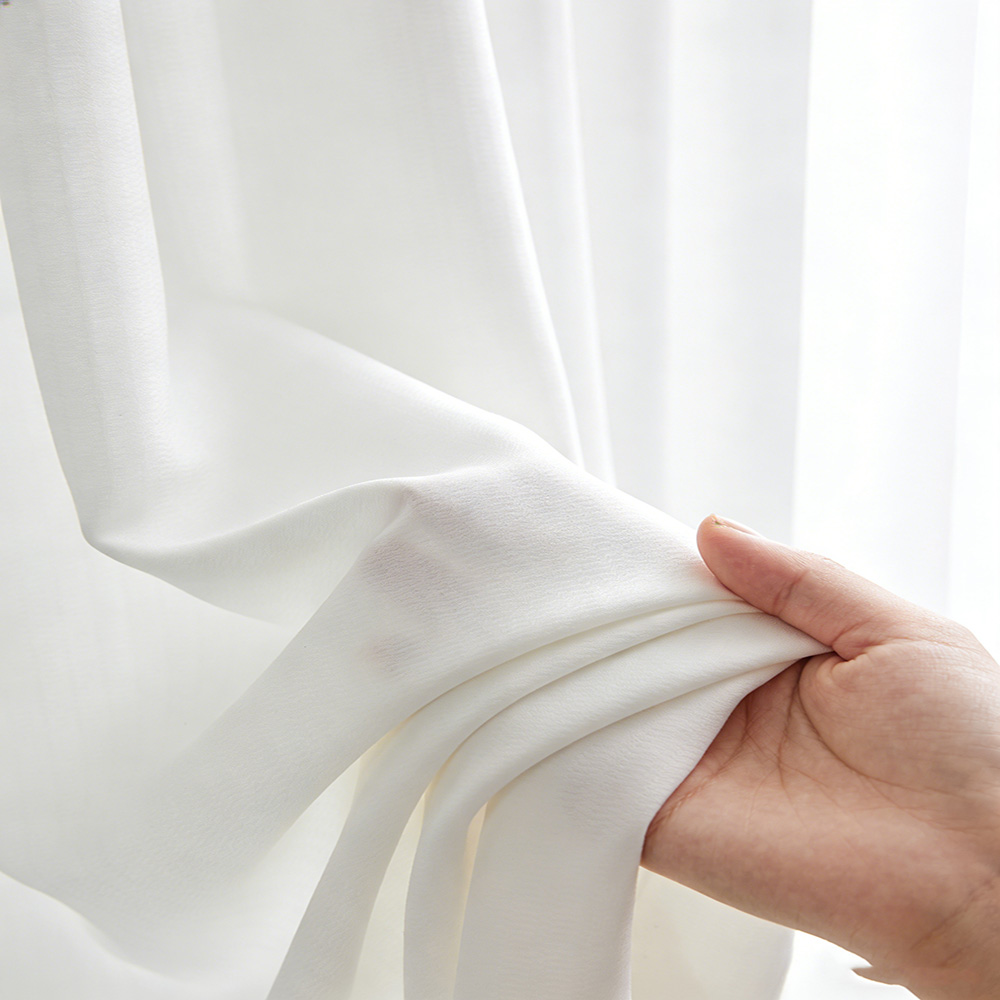
Ketahanan terhadap pencucian berulang mungkin merupakan tantangan terbesar bagi pelapis tekstil. Emulsi akrilik yang dirancang untuk tekstil sering kali menggabungkan kimia pengikatan silang sendiri. Polimer ini mengandung gugus reaktif yang membentuk ikatan kimia tambahan setelah pembentukan lapisan film, baik saat pengeringan panas atau seiring waktu. Pengikatan silang ini menciptakan jaringan polimer tiga dimensi yang mempertahankan integritasnya melalui beberapa siklus pencucian, menahan pelarutan atau kerusakan mekanis oleh air dan deterjen.
Daya rekat pada berbagai jenis serat membutuhkan desain polimer yang cermat. Serat sintetis seperti poliester dan nilon memiliki permukaan berenergi rendah yang menghambat daya rekat lapisan, sedangkan serat alami seperti kapas bersifat hidrofilik tetapi mengembang jika terkena kelembapan. Emulsi akrilik dapat diformulasikan dengan monomer peningkat daya rekat spesifik yang berinteraksi dengan kedua jenis serat, memastikan lapisan tetap melekat dengan aman sepanjang siklus hidup produk.
Stabilitas UV menjadi sangat penting untuk tekstil yang digunakan di luar ruangan. Polimer akrilik secara inheren menawarkan ketahanan yang baik terhadap fotodegradasi, mempertahankan sifat fisik dan penampilannya saat terpapar sinar matahari. Hal ini membuat mereka sangat cocok untuk aplikasi seperti tekstil otomotif, tenda, dan furnitur luar ruangan di mana paparan UV akan dengan cepat mendegradasi sistem polimer yang kurang stabil.
Menavigasi Proses Seleksi
Proses seleksi harus dimulai dengan definisi yang jelas tentang persyaratan penggunaan akhir. Untuk pelapis kertas, kuantifikasi tingkat ketahanan air yang dibutuhkan, kilap yang diinginkan, dan batasan peraturan apa pun seperti persetujuan kontak dengan makanan. Untuk tekstil, tetapkan ketahanan luntur terhadap pencucian yang dibutuhkan, parameter fleksibilitas, dan kondisi paparan lingkungan.
Evaluasilah suhu transisi kaca (Tg) polimer relatif terhadap aplikasi Anda. Polimer dengan Tg yang lebih rendah memberikan fleksibilitas tetapi mungkin menunjukkan sifat lengket atau sulit dibentuk; polimer dengan Tg yang lebih tinggi menawarkan kekerasan dan ketahanan terhadap pembentukan lapisan tetapi membutuhkan zat penggabung untuk pembentukan film pada suhu ruangan.
Pertimbangkan persyaratan pengikatan silang dengan cermat. Emulsi pengikatan silang mandiri menambah biaya tetapi memberikan manfaat daya tahan yang penting untuk tekstil yang dapat dicuci atau penghalang kertas berkinerja tinggi. Untuk aplikasi yang membutuhkan daya tahan maksimal, sistem ini membenarkan harga premiumnya melalui masa pakai produk yang lebih lama.
Kesimpulan
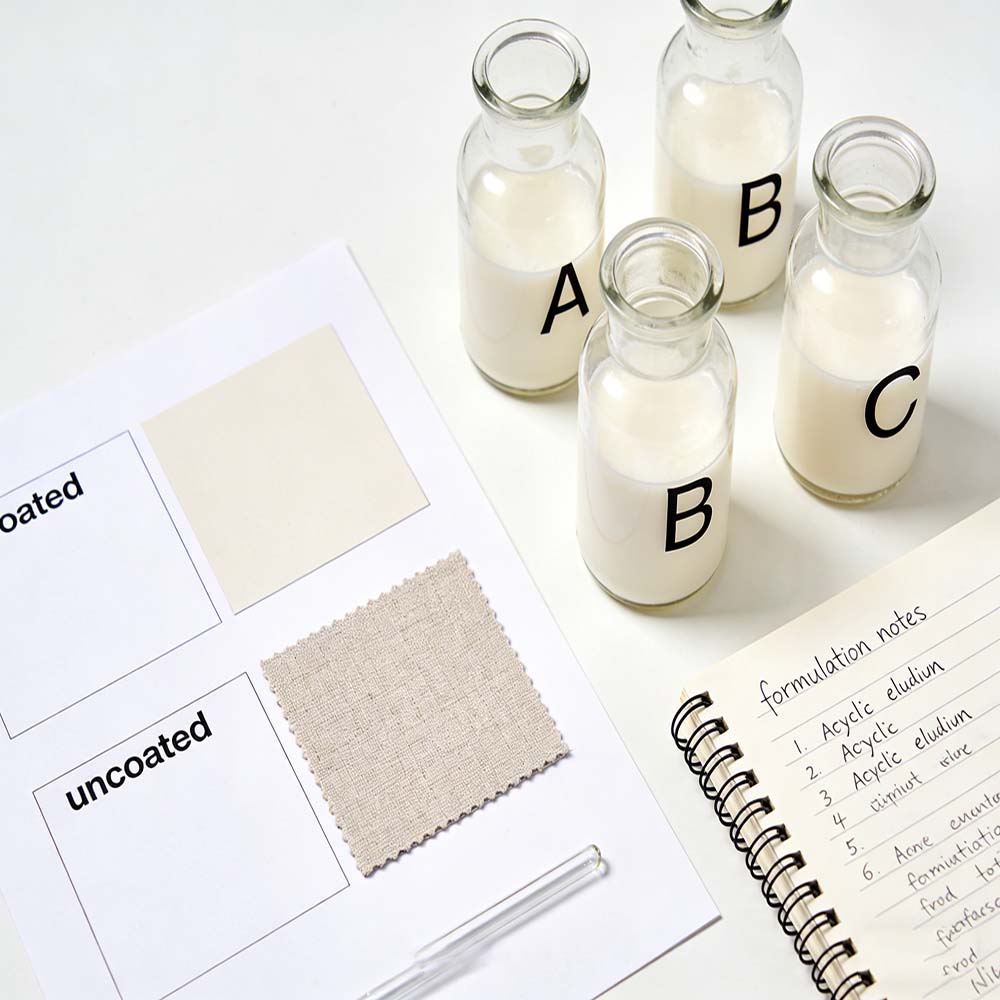
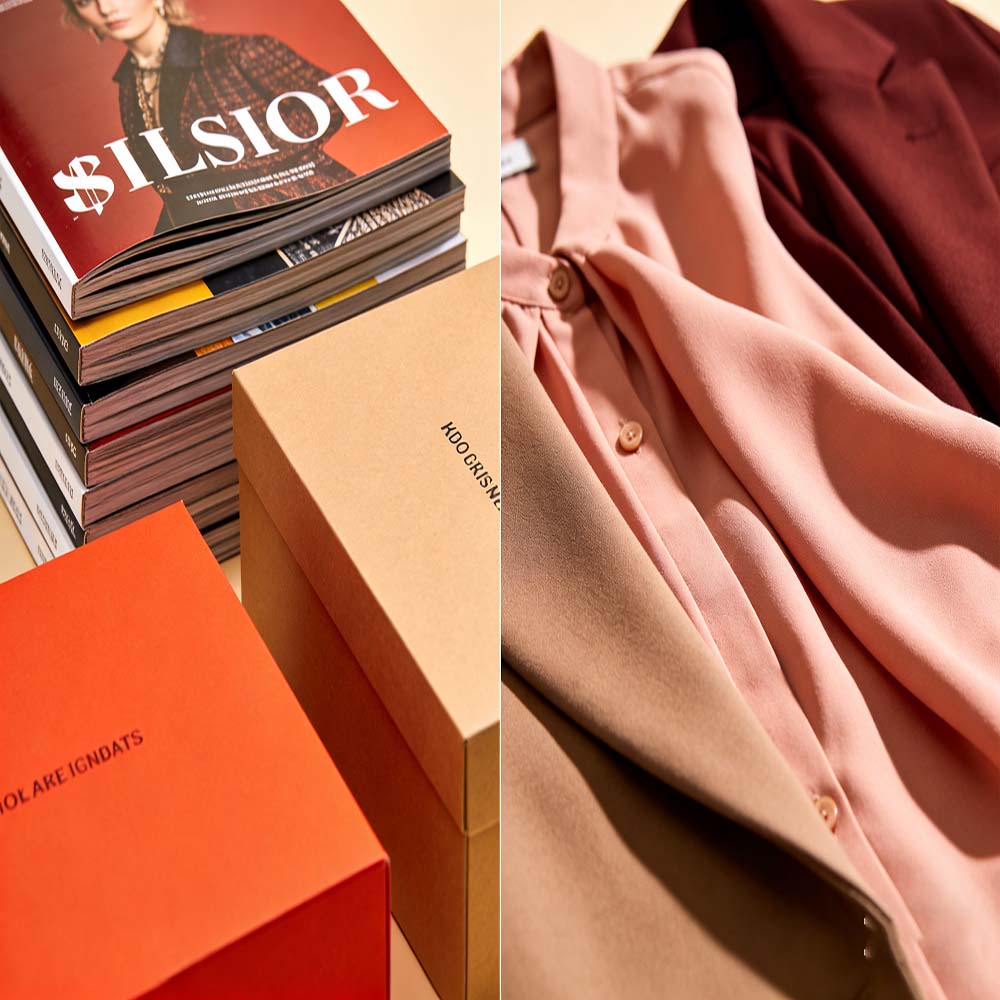
Memilih emulsi akrilik yang tepat membutuhkan pencocokan kimia polimer dengan tuntutan aplikasi. Pelapis kertas memprioritaskan ketahanan air, kemampuan cetak, dan sifat penghalang pada substrat yang kaku. Pelapis tekstil membutuhkan fleksibilitas, daya tahan terhadap pencucian, dan rasa lembut pada substrat yang mudah berubah bentuk. Dengan memahami perbedaan mendasar ini dan parameter desain polimer yang mengatasinya, para perumus dapat dengan yakin memilih emulsi akrilik yang memberikan kinerja optimal untuk aplikasi spesifik mereka.





Peta Situs Blog Xml Kebijakan Privasi
Hak cipta
@ Runshine New Materials (FoShan) Co., Ltd. Hak cipta dilindungi undang-undang.
 DUKUNGAN JARINGAN
Tinggalkan pesan
Pindai ke Wechat :

Pindai ke WhatsApp :